

Divorce in North Carolina: The Complete Huntersville & Mecklenburg County Guide (2026)

Divorce in North Carolina: the complete guide
One year apart, one claim at a time. How absolute divorce, property, alimony, custody and child support fit together for Huntersville and Mecklenburg County families, and the deadlines that can quietly cost you money.

Updated November 12, 2026 · 16 min read
Photo: Person holding a gold wedding band — divorce in North Carolina · Unsplash
Most people who call our Huntersville office about a divorce are really calling about four or five different legal questions at once. Who keeps the house on the cul-de-sac in Birkdale? How will the kids split time between two homes in Cornelius and Huntersville? Does a spouse who stayed home for ten years get support? What happens to the 401(k)? And, almost as an afterthought: how do we actually get divorced?
North Carolina law answers those questions in separate pieces. That is the single most important thing to understand about divorce here, and it is why people who treat “the divorce” as one event sometimes lose rights they did not know they had. This guide walks through each piece in the order it usually matters, with the statutes, the Mecklenburg County process, and the deadlines.
The one-year rule: what “separate and apart” really means
North Carolina grants an absolute divorce on one ground that matters in practice: the spouses have lived separate and apart for one year, and at least one of them has been a North Carolina resident for six months before the complaint is filed.
Marriages may be dissolved and the parties thereto divorced from the bonds of matrimony on the application of either party, if and when the husband and wife have lived separate and apart for one year, and the plaintiff or defendant in the suit for divorce has resided in the State for a period of six months.
Three practical points follow from that sentence:
- Separate roofs. Courts look for physical separation, meaning two residences. Living in different bedrooms of the same house does not start the clock.
- Intent. At least one spouse must intend the separation to be permanent when it begins. You do not need your spouse’s agreement.
- No paperwork required to start. There is no filing, form or “legal separation” decree needed to begin the year. A written separation agreement is helpful for many reasons, but the clock runs without it.
Can a weekend together reset the clock?
Not usually. Under G.S. 52-10.2, isolated incidents of sexual intercourse between separated spouses do not restart the year. What restarts it is a resumption of marital relations, meaning the couple voluntarily renews the husband-and-wife relationship, judged by the totality of the circumstances. Moving back in, holding yourselves out as married again and sharing finances can all point toward reconciliation.
Divorce date calculator
When can you file for absolute divorce? Enter your date of separation.
Absolute divorce versus divorce from bed and board
People sometimes ask about a “fault” divorce. North Carolina still has one: divorce from bed and board under G.S. 50-7. It is a court-ordered legal separation, not a final divorce, and it requires proof of grounds such as abandonment, maltreatment, adultery, cruel treatment that endangers life, or excessive drug or alcohol use. It is used strategically, for example to obtain exclusive possession of the marital home, but it does not end the marriage. You will still need an absolute divorce after a year apart.
| Absolute divorce | Divorce from bed and board | |
|---|---|---|
| Ends the marriage? | Yes | No, it is a legal separation |
| Fault required? | No | Yes (statutory grounds) |
| Waiting period | One year separated + 6 months NC residency | None |
| Typical use | Final divorce | Possession of the home, fault findings, leverage |
| Statute | G.S. 50-6 | G.S. 50-7 |
The claims that travel with a divorce
The absolute divorce only dissolves the marriage. Everything else is a separate claim, and each has its own rules:
Property division
Equitable distribution divides marital property and debt. It is presumed to be equal. Read the property guide.
Spousal support
Post-separation support bridges the gap now; alimony is the long-term award. Read the alimony guide.
Custody
Decided under the best interest of the child standard, after mandatory mediation in most cases. Read the custody guide.
Child support
Calculated under the NC Child Support Guidelines, which change on January 1, 2027. Read the support guide.
All four can be settled in a separation agreement, which is often the fastest, least expensive and most private route. See our separation agreement guide.
The deadline that catches people: file before the divorce is granted
This is the paragraph to read twice. Under G.S. 50-11, an absolute divorce cuts off the right to equitable distribution and to alimony or post-separation support unless the claim is already pending (filed and not dismissed) when the divorce judgment is entered, or the rights were preserved in a written agreement.
If your spouse files for absolute divorce first, you can still protect yourself by filing your equitable distribution and alimony claims, usually as counterclaims, before the divorce hearing. Once the judgment is signed, it is generally too late. Child custody and child support claims are different: they survive the divorce and can be filed at any time while the children are minors.
Separate statutes of limitation also matter for claims that are not tied to the divorce itself, such as alienation of affection, which must be filed within three years.
How a divorce works in Mecklenburg County, step by step
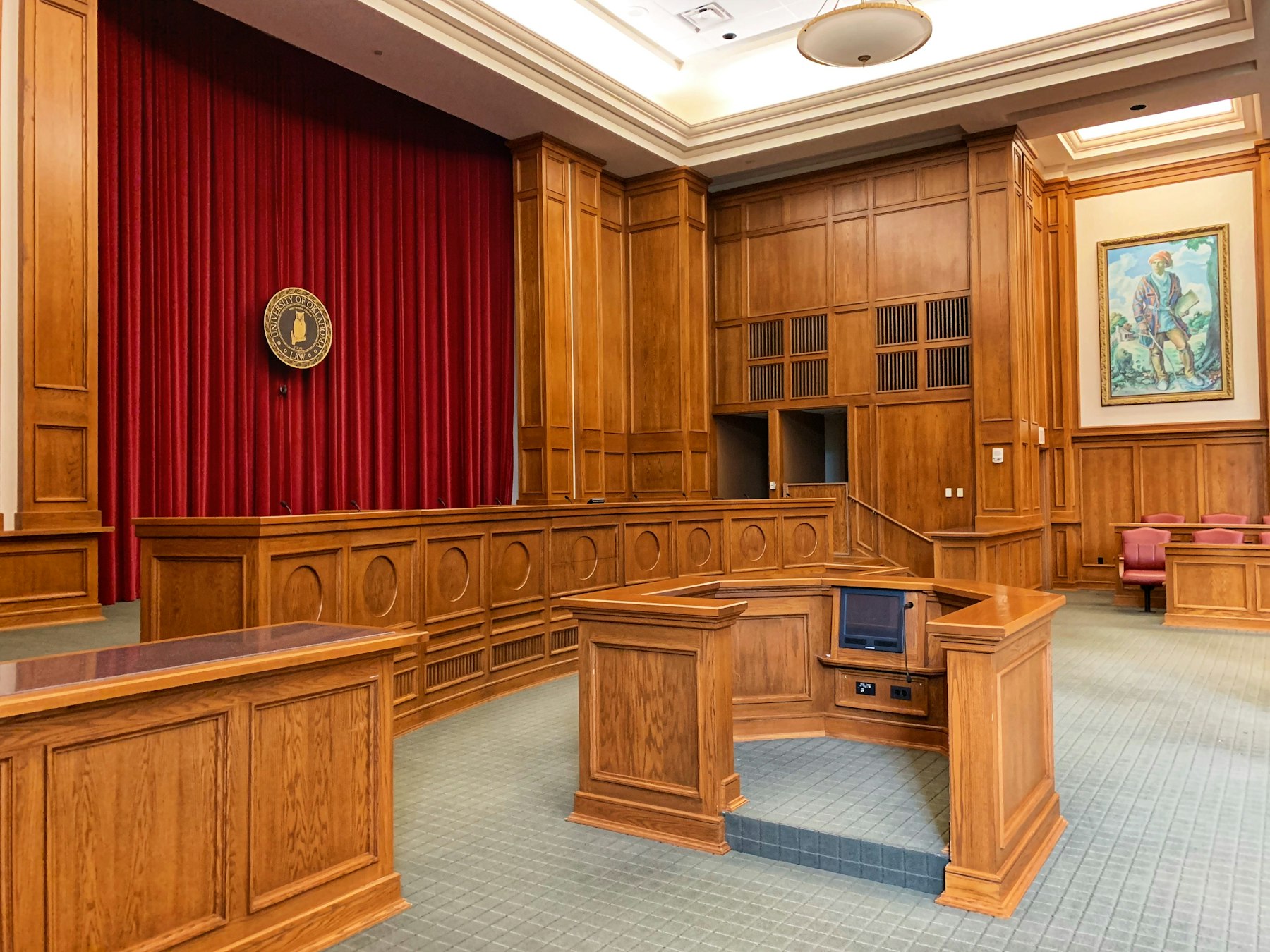
Divorces for Huntersville, Cornelius, Davidson, Mint Hill, Matthews and Charlotte residents are filed in Mecklenburg County District Court, Family Court division, at the Mecklenburg County Courthouse in uptown Charlotte. If the spouse who files lives in Iredell (Mooresville) or Lincoln (Denver), the case may be filed there instead; venue generally follows where either spouse resides.
Separation. Separate residences begin. Write the date down and keep proof: a lease, a utility account, a change-of-address confirmation.
Negotiate or litigate the other claims. Temporary custody, child support and post-separation support can be decided long before the divorce. Equitable distribution and alimony claims can be filed at any time after separation.
File the divorce complaint with the Clerk of Superior Court, pay the filing fee, and have your spouse served under Rule 4 (sheriff, certified mail or acceptance of service).
Answer period. Your spouse has 30 days after service to respond. Most uncontested divorces have no real defense.
Judgment. Uncontested cases are commonly resolved on a motion for summary judgment or a short calendar hearing. The judge signs the Judgment of Absolute Divorce.
What it costs
The court’s filing fee is set by statute and changes occasionally, so check the Clerk’s current fee schedule before filing. Service by the sheriff adds a small fee. An uncontested absolute divorce handled by a lawyer is usually a modest flat-fee matter. Contested property, alimony and custody cases cost more because they involve discovery, valuation, mediation and hearings. Adkins Law offers a one-hour consultation for $250, by phone or in person, so you can get a realistic picture before you spend more.
North Carolina divorce by the numbers
Divorce is less common in North Carolina than it was a generation ago. The state’s divorce rate fell by almost half between 2000 and 2024, even as the population grew.
North Carolina divorce rate, 2000–2024
Divorces per 1,000 residents (includes annulments)
Source: CDC / National Center for Health Statistics
Divorces granted in North Carolina
Total divorces recorded by year
Source: CDC / NCHS, Divorce numbers by state 2000–2023
The 2021 spike reflects divorces delayed during 2020’s court slowdowns. Even at today’s lower rate, that is still roughly 79 divorces a day across North Carolina.
What the divorce judgment changes, and what it doesn’t
A Judgment of Absolute Divorce has consequences people often forget:
- Inheritance rights end. A former spouse loses intestate inheritance rights, and under G.S. 31-5.4 provisions in your will in favor of a former spouse are revoked by the divorce. Update your will anyway; see our estate planning guide.
- Beneficiary designations may not update themselves. Life insurance, 401(k)s and IRAs follow the beneficiary form, and federal law governs many employer plans. Change them yourself.
- Name change. Either spouse may resume a prior name after the divorce (G.S. 50-12).
- Health insurance. Coverage under a spouse’s employer plan generally ends at divorce, though COBRA continuation may be available.
- Custody and support orders continue. The divorce does not change existing custody or child support orders.

Common mistakes we see in Lake Norman divorces
- Waiting for the divorce to “deal with the money.” By the time the year has passed, the most important deadlines may be about to expire.
- Moving out without a plan for the kids. Leaving the home is not abandonment of your children, but a sudden move without a temporary schedule can shape the status quo a judge later sees.
- Draining or hiding accounts. Equitable distribution looks at the date of separation, and post-separation conduct can lead to an unequal division or sanctions.
- Signing a do-it-yourself separation agreement. Agreements must be in writing and acknowledged before a notary to be enforceable (G.S. 52-10.1). Vague language about retirement accounts or the house is the most common problem we fix.
- Posting about the case. Social media posts are routinely used as evidence in custody and alimony hearings.
Hunter, our Law-Bot, can explain any part of this guide in plain English and point you to the right next page. He’s quick, he’s polite, and he doesn’t bill by the hour.
Do you need a lawyer for a North Carolina divorce?
For a truly uncontested divorce with no children, no property and no support claims, many people file on their own using the court’s forms. Once there is a house, a retirement account, a business, a support question or a child, a consultation is worth the hour. The divorce paperwork is easy; protecting the claims that ride alongside it is where mistakes cost real money.
How long does a divorce take in North Carolina?
You must be separated for one year before filing. After filing and service, an uncontested absolute divorce in Mecklenburg County is commonly finalized within about 45 to 90 days. Property, alimony and custody disputes can take longer and run on their own schedules.
Do I need my spouse's permission to get divorced?
No. Either spouse can file after a year of separation. Your spouse can contest whether the year has truly run or raise other claims, but cannot block a divorce simply by refusing to agree.
Does adultery matter in a North Carolina divorce?
Not for the absolute divorce itself. It can matter a great deal for alimony (illicit sexual behavior by a dependent spouse can bar alimony, and by a supporting spouse can require it), and it can support claims for alienation of affection or criminal conversation.
Can we live in the same house during the separation year?
Generally no. North Carolina requires that spouses live separate and apart, which courts interpret as separate residences.
What if my spouse lives in another state?
You can still file here if you have lived in North Carolina for at least six months. Service and jurisdiction over property or support claims can be more complicated, so get advice early.
What happens to our house in a divorce?
The house is divided as part of equitable distribution, not the divorce itself. Options include selling it, one spouse buying the other out, or a deferred sale. See our property division guide.
Is there a legal separation in North Carolina?
There is no separate “legal separation” filing to start the one-year clock. Divorce from bed and board is a court-ordered separation based on fault, and a separation agreement is a private contract that can resolve your issues while you wait.
Talk with a Huntersville divorce lawyer
Adkins Law has represented Lake Norman and Charlotte-area families since 2014. Schedule a one-hour consultation ($250, phone or in person) and leave with a plan for every claim, not just the divorce.
Chris Adkins founded Adkins Law, PLLC in Huntersville in 2014. He tries family-law, civil and criminal cases across the Charlotte region, is a certified mediator, a former Charlotte-Mecklenburg police officer and the author of books on North Carolina divorce and DWI law. More about Chris · Attorney Chris Purkey
Sources & further reading
- N.C. Gen. Stat. § 50-6, Divorce after separation of one year
- N.C. Gen. Stat. § 50-11, Effects of absolute divorce
- N.C. Gen. Stat. § 52-10.2, Resumption of marital relations defined
- N.C. Gen. Stat. § 50-7, Divorce from bed and board
- N.C. Gen. Stat. § 31-5.4, Revocation of will provisions by divorce
- CDC/NCHS, Divorce rates by state, 1990–2024 and divorce numbers by state, 2000–2023
- North Carolina Judicial Branch, Divorce help topic
This guide is general information about North Carolina law as of November 2026, not legal advice for your situation. Laws and local rules change, and every case turns on its facts. Reading it does not create an attorney-client relationship. For advice, schedule a consultation with Adkins Law at (704) 274-5677.
More Adkins Law guides

Child custody in North Carolina
Best interest of the child, mandatory custody mediation, parenting plans, relocation and modification, explained for Mec…
Read the guide →
Child support and the 2027 guidelines
How North Carolina's income-shares formula works, what the guidelines effective January 1, 2027 change, and how to modif…
Read the guide →
Alimony and post-separation support
Dependent and supporting spouses, the 16 factors, marital misconduct, how long alimony lasts and why the claim must be f…
Read the guide →
Property division (equitable distribution)
Marital, separate and divisible property, the equal-division presumption, the house, retirement accounts and the three-s…
Read the guide →
Separation agreements in North Carolina
What a separation and property settlement agreement can cover, how to make it enforceable, incorporation, and the mistak…
Read the guide →
Domestic violence protective orders (50B)
Who qualifies, ex parte orders, the 10-day hearing, what a DVPO can order, firearms, custody effects and how to respond …
Read the guide →Share This Story, Choose Your Platform!
Disclaimer: This website provides general information and discussion about legal topics. The content is not legal advice and should not be relied upon as such. Always seek the advice of a licensed attorney for legal matters.