

Eviction Process in North Carolina
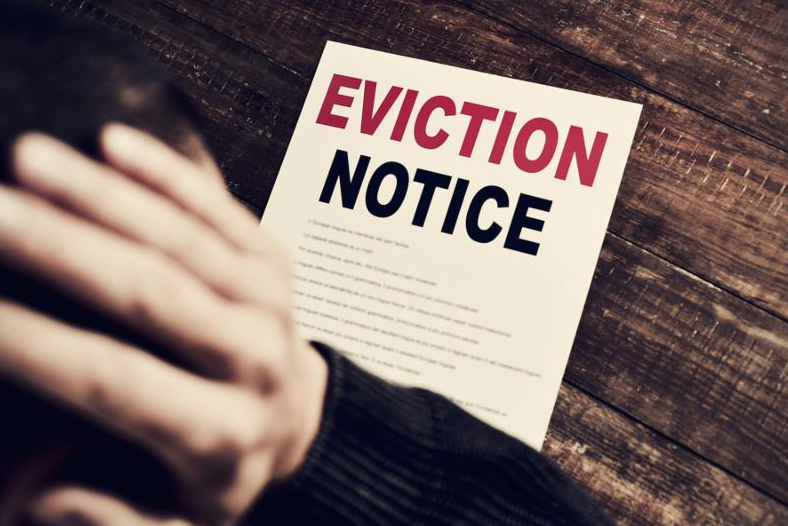
An eviction is a process that allows a landlord to lawfully remove a tenant from the leased premises. In North Carolina, this can be a long and/or tedious process. There are four basic reasons that permit the eviction of a tenant:
- Nonpayment of rent
- The tenant remains on premises after the lease or rental agreement has ended
- There has been a breach of terms in the lease by the tenant
- The tenant is taking part in illegal criminal activity of the premises
When filing for an eviction, as the landlord, it is important to understand that even if the eviction is justified, the tenants can always find some way to defend themselves. Because of this, it is best that the landlord do their research before beginning the eviction process in order to know what is coming their way.
Nonpayment of rent
If a landlord is looking to evict their tenant due to a nonpayment of rent, the landlord must give a 10-day “notice to quit.” This notice to quit is a demand for payment by the landlord. Beginning on the day the notice is brought to the attention of the tenant, he or she has 10 days to pay their rent before the landlord is allowed to follow up with an eviction. The landlord cannot file for eviction until after the 10-day notice has been given and the tenant has failed to comply.
Holdover tenant
When a tenant remains on the premises after their lease or rental agreement has ended, they are known as a holdover tenant. As a landlord, you are not obligated to renew a lease with your tenant at the end of the current lease. If the landlord does not choose to renew the lease with their tenant, the tenant must then surrender possession of the property at the end of the current lease. Although a landlord has every right to not renew a lease, they are required to provide a termination notice prior to the end of the current lease. The criteria of this termination notice is listed below:
- 2-day notice if the lease is weekly
- 7-day notice if the lease is monthly
- 30-day notice if the lease is yearly
This notice of termination is also called an unconditional notice to quit, which says when the lease expires and states a deadline by which the tenant must vacate. If the tenant does not comply with the above notice, the landlord may proceed with the eviction process.
Violation of Lease
As a landlord, you have the legal right to evict your tenant if you find that they have violated or breached a specific condition of the lease. Such breaches may be that they have a pet even though the lease clearly states that pets are not allowed, or they have damaged property without making any reparations. Any willful or intentional damages made to the property are subject to a misdemeanor in the state of North Carolina. In a situation where a tenant has violated the lease, the landlord has no legal obligations to provide a notice before evicting the tenant. Unless the lease requires notice and an opportunity to cure, the landlord can file eviction papers upon learning of a violation.
Illegal Criminal Activity
For landlords looking to evict their tenant due to illegal criminal activity taking place on the premises, the state of North Carolina has an expedited eviction process.
Defense by Tenants
There are seven main defenses tenants may use to fight an eviction in North Carolina. While some of these defenses only relate to one or two of the reasons for eviction, most of them are applicable to all four reasons to evict a tenant.
- Landlord evicted tenant using “self-help” procedures – It is against public policy to evict a tenant by any means other than court proceedings. Some common “self-help” methods include turning off utilities or changing the locks.
- Landlord did not follow proper eviction procedures – Even if the court system is utilized, an eviction will not be lawful unless all of the legal procedures are strictly followed.
- Tender of rent by the tenant – When a tenant receives a notice to quit for nonpayment of rent and at any time before final judgment, a tenant may pay the rent due in full, along with any accrued late fees. However, the landlord is not obligated to accept the payment, unless stated specifically in the lease.
- Waiver by the Landlord – Once a landlord receives and accepts any payment of rent after a violation of the lease has occurred, the landlord is unable to evict that tenant on the basis of a violation he or she knew existed prior to accepting payment.
- Retaliatory eviction – A landlord is unable to evict a tenant for making complaints to the landlord’s agent, or to a government agency, in regards to unsafe, unsanitary, or indecent conditions.
- Breach of warranty of habitability by landlord – This defense is applicable when a landlord has failed a promise to make repairs or do whatever is necessary to provide the tenant with fit premises.
- Discrimination – A defense stating that the landlord is attempting to evict the tenant because of race, color, national origin, religion, familial status, sex, or disability.
Serving Eviction Papers in North Carolina
After providing the tenant with a required notice, the landlord may then file for the eviction process through either the small claims court or the district court. It is important that the summons and the complaint are filed in the county in which the rental property is located. A complaint is a legal document that states the reasons one party seeks legal action against another. A clerk will provide a form titled “complaint in summary ejectment.” When filling out this complaint, the landlord must list all tenants whose names appear on the lease or rental agreement. A summons is a legal document that notifies a defendant (the tenant) that an action has been commenced. The summons will state a date and time on which the tenant should appear at a specified location to answer the complaint.
Once the landlord has filled out all of the necessary paperwork, the county sheriff will serve the tenant with the summons and a copy of the complaint. After receiving these papers, the tenant may do one of two things: vacate the premises or fight the eviction at the eviction hearing. The tenant is not required to appear at the eviction hearing, however, it is highly recommended. If the tenant does not appear in court, it is known as a default judgment, meaning that the landlord automatically wins. After winning the eviction hearing or appeal, the landlord will then file for a “writ of possession,” which allows the landlord to forcibly remove the tenant from the premises. If the tenant remains on the property, the county sheriff will accompany the landlord and padlock the premises within seven days of receiving the writ of possession.
Share This Story, Choose Your Platform!
Disclaimer: This website provides general information and discussion about legal topics. The content is not legal advice and should not be relied upon as such. Always seek the advice of a licensed attorney for legal matters.