

The pre-arrest chemical-analysis right in North Carolina
G.S. 20-16.2(i) gives a person under investigation a little-known right to request an evidential breath analysis before arrest or charge.
A specific statutory right—not the roadside PBT
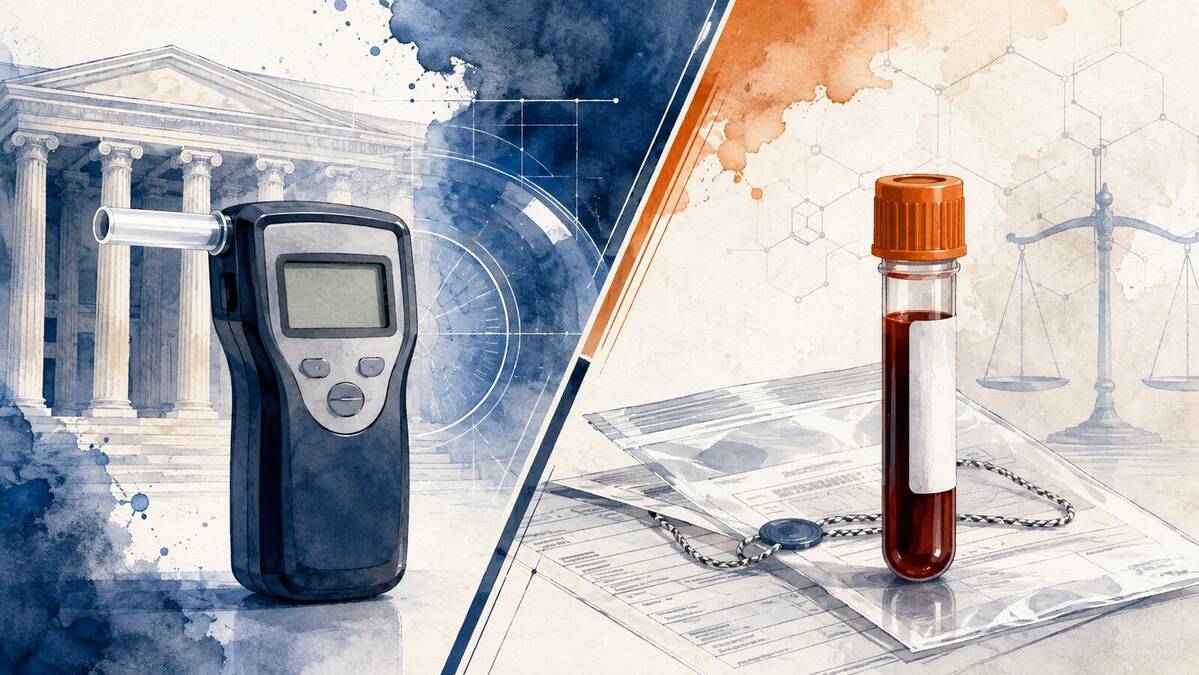
G.S. 20-16.2(i) provides that a person stopped or questioned during an implied-consent investigation may request a chemical analysis before arrest or charge. If breath analysis is available, the officer must afford the opportunity to take an evidential breath test under the procedures in G.S. 20-139.1(b).
This is different from a roadside alcohol screening device. The statutory pre-arrest test is a chemical analysis whose results are admissible in later proceedings.
Warnings that accompany the request
Before the analysis, the person must be advised that the result is admissible and may be used against them; that an alcohol concentration at or above the applicable limit triggers an immediate civil revocation; and that failing to comply fully with testing procedures can lead to charges supported by probable cause and does not eliminate later implied-consent consequences.
Why this is unusual
The provision can preserve objective evidence at a time when alcohol concentration may be changing. It can also create inculpatory evidence and immediate license consequences. The page therefore describes the law; it cannot tell a particular person whether requesting the test is strategically wise.
Frequently asked questions
Does the officer have to offer this test automatically?
The statute is framed as a right the person may request; it is not the ordinary post-arrest implied-consent request.
Is this the handheld roadside breath test?
No. It concerns an evidential chemical analysis of breath, if available.
Can the result be used against the person?
Yes. The statute expressly states that the result is admissible and may be used in a later implied-consent proceeding.