

Boating Laws in North Carolina: What You Need to Know
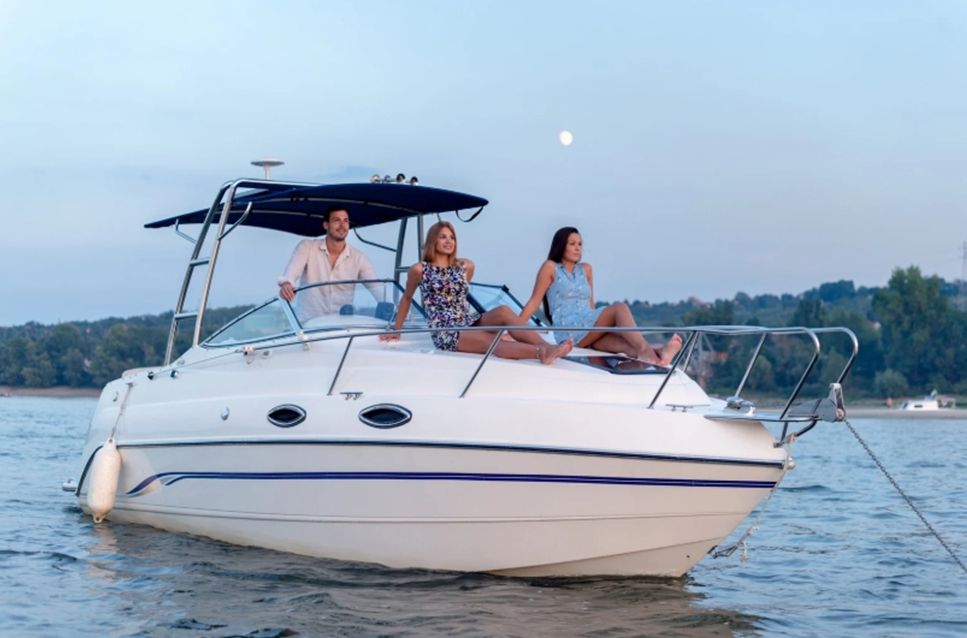
With over 5,000 miles of inland shoreline and popular destinations like Lake Norman, Lake Wylie, and the Intracoastal Waterway, North Carolina is a boater’s paradise. But before you launch your boat or jet ski, it’s important to understand the NC boating laws that govern safe operation on the water.
Whether you’re a new boater or a seasoned captain, knowing the rules can keep you safe, protect others, and help you avoid costly fines.
Age Requirements for Operating Boats and Jet Skis in NC
North Carolina law sets clear age restrictions for who can legally operate motorized vessels:
– Children under 14 years old: May not operate a personal watercraft (jet ski) under any circumstances.
– Ages 14–15: May operate a personal watercraft if they have successfully completed an approved boating safety education course and carry their certification card. They must also carry identification showing proof of age.
– Ages 16 and older: May operate a personal watercraft without restrictions, though a boating safety certificate is still recommended.
For motorboats with 10 horsepower or more:
– Anyone under 14 may not operate a motorboat unsupervised.
– Ages 14–15 may operate if they are accompanied by someone at least 18 years old or if they have completed a boating safety course.
– Age 16 and above may operate freely.
Boating Safety Education Course Requirement
North Carolina law requires that anyone born on or after January 1, 1988 must successfully complete an approved boating safety education course before operating a vessel powered by a motor of 10 horsepower or greater.
Approved courses include those offered by:
– North Carolina Wildlife Resources Commission (NCWRC)
– U.S. Coast Guard Auxiliary
– U.S. Power Squadrons
– Online providers approved by NCWRC
Upon completion, boaters must carry their boating safety certification card whenever operating a vessel.
Life Jacket and Safety Gear Rules
– Life jackets (PFDs): Every vessel must have a U.S. Coast Guard–approved life jacket for each person onboard. Children under 13 years old must wear one at all times while the boat is underway.
– Personal watercraft (jet skis): Every rider, regardless of age, must wear a life jacket. The operator must also attach the engine cut-off lanyard (kill switch) to themselves.
Speed and Operation Rules
– Personal watercraft may not operate between sunset and sunrise.
– Jet skis must be operated at least 100 feet from other vessels, docks, swimmers, or the shoreline when traveling above slow/no-wake speed.
– Reckless operation (such as weaving through boat traffic, jumping wakes, or operating under the influence of alcohol) is prohibited and can result in fines or criminal charges.
Alcohol and Boating
North Carolina enforces strict laws against Boating While Impaired (BWI).
– The legal blood alcohol concentration (BAC) limit is 0.08%, the same as for driving a car.
– Convictions can result in fines, loss of boating privileges, and even jail time.
Why Compliance Matters
These laws are not just about avoiding tickets—they are designed to prevent accidents, injuries, and fatalities. Each year, boating accidents occur due to inexperience, speeding, and alcohol use. Completing a safety course, wearing proper gear, and following the rules helps ensure that everyone enjoys North Carolina’s waterways responsibly.
Conclusion
Before heading out on Lake Norman, Lake Wylie, or the coast, make sure you understand North Carolina’s boating laws. Age limits, safety course requirements, and equipment rules are in place to protect all boaters.
At Adkins Law, PLLC, in Huntersville, NC, we are proud to serve the Lake Norman community and help families stay informed about the laws that affect them. Whether you’re enjoying a weekend on the lake or navigating more serious legal issues, our team is here to provide guidance and support.
Share This Story, Choose Your Platform!
Disclaimer: This website provides general information and discussion about legal topics. The content is not legal advice and should not be relied upon as such. Always seek the advice of a licensed attorney for legal matters.