

How to Co-Parent Successfully
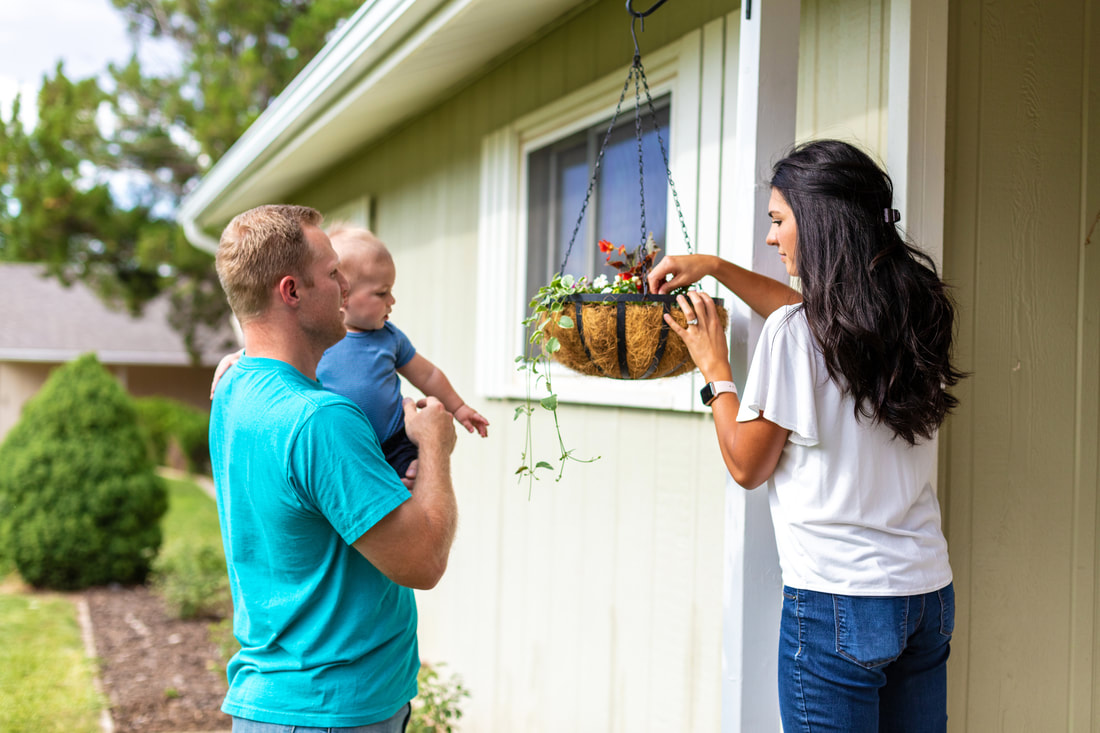
It’s true that divorce represents an ending of one relationship – but it also represents the beginning of another. Though you and your ex-spouse may no longer be husband and wife, you’re always going to be parents. You may be parenting from two homes instead of one, and it may look different than it looked before, but always, you’ll be two of the most important people in your children’s lives. As your children continue to grow, you’ll still be required to make decisions together for their well-being, to attend their important activities together, and to be present for the moments in their lives, big and small.
Regardless of the separate paths that your lives may take in other ways, you will always have this bond, and hopefully, the shared goal of continuing to be the best parents to your children that you can be. For the sake of your children, it is important to acknowledge the reality of this new relationship, and to do what you need to do to make it the best and most cooperative relationship that it can be. Though you may have feelings of animosity toward your spouse because of the end of your marriage, for the sake of your children, it will be important to work on dealing with those feelings and moving forward in a positive, and healthy way. That’s what this chapter is all about.
A Quick Look at the Co-Parenting Spectrum
Successful co-parenting – what does it look like, and how do you go about it? These are important and worthwhile questions to ask, and the answers will look slightly different for every family. For some parents, co-parenting seems to be relatively easy following a divorce, particularly if that divorce was low-conflict, cooperative, and amicable. These parents find it fairly easy to make the transition from one household to two. They are able to cooperate effectively, make decisions together about what’s best for their children, and generally manage the transition from one household to two with fairly minimal conflict.
In other situations, however, and particularly in high-conflict relationships, co-parenting can be very difficult. These parents may have struggled with a relationship that had marital misconduct of some kind – perhaps abuse, or addiction, or mental illness on the part of one spouse. In these cases, co-parenting can be very difficult and cooperating is not easy. There are these two ends of the spectrum and everything in between when it comes to co-parenting relationships. Wherever you find yourself on this spectrum, the good news is that with the right tools and a commitment to making an effort, you and your ex-spouse can find a co-parenting dynamic that works well for your family.
Failing to do so means that instead of co-parenting what you are effectively doing is “parallel parenting”. In a nutshell, this term refers to each parent raising the children in his or her own way without much communication with or cooperation from the other parent. Ultimately, while this may seem easier for the parents, it is not nearly as beneficial for the children. Making the effort to learn how to co-parent together is well worth it and in the best interest of the children that you love. Keeping that in mind, let’s take a look at what successful co-parenting looks like.
Elements of a Successful Co-Parenting Relationship
More than anything else, it is important to remember that the ultimate goal of co-parenting is putting your child’s needs first. Certainly, this is not always going to be easy. Divorce is difficult, and in almost every case, even those divorces which are amicable and go smoothly, there is some amount of emotional pain involved. It goes without saying then that redefining your relationship with your ex in this way for the sake of your children will mean putting aside your own emotional baggage and committing to focusing first and foremost on what’s important for your children.
With that in mind, here are some helpful tips for establishing and maintaining a successful co-parenting relationship:
- Commit to being present: Certainly, and particularly immediately following your divorce, it may be difficult and at times emotionally painful to be around your ex-spouse. Well this is understandable, if it all possible, work to put those feelings aside when your children have important events and special moments where they would like both parents to be present. Whether it is learning to ride a bike or graduating from high school or anything in between, your children are going to have important life moments that they want to share with the parents they love. Deciding that you are going to do what it takes to be present for those moments and put your negative feelings aside is important.
- Be willing to make mistakes: As is the case when you learn anything new, when you co-parent you are going to make mistakes. It’s important to anticipate this and not to expect every effort or every moment to be perfect. Realize that this is new territory for everyone and be forgiving of both yourself and your ex-spouse. One thing to remember though, is that when you make mistakes, be kind. Even though you may at times feel upset with your ex-spouse, try if it all possible not to criticize the spouse in front of your children. Remember, that though your feelings for your ex-spouse may have changed, your children still love each parent very much. Try to save criticisms and frank conversations for a time when you and your ex-spouse can speak privately. When mistakes are made, instead of viewing them as setbacks, view them as opportunities to learn and to try to improve your coparenting relationship going forward.
- Make each house feel like a home: Obviously, making the transition from one home to two may not be easy for your children. Typically, children thrive on structure and routine and predictability. Therefore, and especially at first, it may be unsettling to have to adjust to having at least one and possibly two entirely new homes, depending upon whether or not you kept your family home after the divorce. Although you can’t eliminate these difficult feelings entirely, you can make the transition easier by striving to truly make each house a home. First and foremost, acknowledge your children’s feelings about the difficulties associated with adjusting to someplace new. Never minimize what your children are feeling. After acknowledging their feelings, however, start taking steps to try to make each house feel like a home. This could mean something as simple as allowing your children to have a say in decorating their bedroom. Though that may seem like a small thing to an adult, to a child it is very important. Not only will it be fun for them to do that with you, it will help them to have a welcoming and familiar space that they can look forward to spending time in when they are with you. It can also be helpful to keep your children on the same schedule even at the two different homes. Being able to count on having a similar time for bedtime or dinner or a routine that is similar in both homes can add predictability and consistency that is comforting. Lastly, try to do things to make your home fun for your children. Give them things to look forward to like engaging in a favorite activity or cooking a favorite meal together. Those these things may seem small they can go a long way towards making the transition easier.
- Seek solutions instead of arguments: This element may not always be easy but it is always important. Let’s face it -sometimes you’re going to disagree. It happened in your marriage and it will happen in your co-parenting relationship as well. Try if it all possible when disagreements arise to seek solutions together in a cooperative and communicative way instead of arguing. Often this will take a conscious effort, and it will not be easy. Instead of allowing your relationship to disintegrate into fights and battles, work together to seek solutions to your problems. Put your heads together and think about compromises you can each make to make life better for your children. The effort to do so as well worth it.
- Acknowledge your children’s feelings: No matter how successful you are in the coparenting relationship and no matter how much effort you make, the truth of the matter is that it is still going to be somewhat difficult for your children. Even if they may understand and accept that your divorce is what’s necessary for your family, they are still going to have moments of sadness and anxiety and even anger. Don’t diminish those feelings. Don’t make your children feel bad for having them. Instead, let your children know that you are available and open to talk to them and to listen and to help them work through their feelings. Sometimes, for children as for adults, one of the most important steps in processing feelings is acknowledging them. Always be willing to do this.
- Have consistent communication: this may seem obvious, but one very important aspect of co-parenting is not only communicating openly and cooperatively with one another, but allowing your children to communicate with you too. Regardless of which home the children might be in at the time, let them know that they can always communicate with their other parent. It is comforting to children to know that even though they may be at their mom’s house, they can always call and speak to their dad if they’d like to. This may mean talking on the phone, sending emails and texts, or participating in video chats, depending upon the age and preferences of your children. Certainly, this might not be possible if one spouse is abusive or in an unhealthy state of mind, but if both parents want to communicate and are willing to do so in a healthy way it can be very comforting to the children. Never make your children feel that they cannot communicate with the other parent, or try to control or influence the communication the child has with the other parent. Trying to do so is ultimately unhealthy for the child and damaging to the co-parenting relationship.
- Try not to compete: Sometimes, this is easier said than done. It is only human nature to want to feel that your children love you and look up to you. It is only human nature to want to be viewed as a likable and fun parent. While this is understandable, try to avoid the urge to compete with your ex-spouse in any way. Sometimes, even though it is irrational, parents may worry that they will lose the love of their children. As a result, they may give their children extra privileges or extra gifts to earn added affection. They may try to outdo the other parent in any number of ways. While this may be fun for your children in the short term, in the long term you’re making a better and healthier choice for your children by parenting in a consistent way with their long-term interests as your primary focus.
- Be willing to accept new relationships: In many cases, after the dust settles from a divorce, one parent or both will begin new relationships. Obviously, this may be emotionally difficult and stressful. Certainly, it will take some time to work through your feelings, particularly if you were the spouse who did not want to divorce in the first place. Nevertheless, it is important to acknowledge that this is likely going to happen and to decide ahead of time how you will handle it. Often, if the new relationship is with a person who is a healthy and mature adult, it is important to encourage your children to have a good relationship with that person. After all, your children will be spending a significant amount of time with that person when they are in the other parent’s home and you want your children to feel as comfortable as possible. Especially resist the effort to make your children feel guilty for liking the new person in your ex-spouse’s life. Children already have enough emotions to process as a result of the divorce anyway – Adding unnecessary guilt into the mix is simply unhelpful and unproductive.
Co-Parenting in High Conflict Situations
Certainly, any divorce is stressful for everyone involved in one way or another. Some divorces, however, are significantly more stressful than others. Those stressful divorces often, although not always, were precipitated by relationships that were difficult, stressful, and high-conflict long before the divorce itself occurred. There could be any number of reasons that this is the case.
It’s possible that domestic abuse existed in the relationship. In other cases, one spouse may have suffered from narcissistic personality disorder or some other mental issue that caused he or she to be particularly manipulative or controlling of the other spouse. It’s possible that one spouse committed adultery, or hid an addiction, or otherwise engaged in behaviors that were very damaging to the relationship, and ultimately, to the marriage. In still other cases, the conflict is not from any one form of “misconduct” by either spouse, it could simply be that emotions became so volatile and tense between the parties that even after the dust settled, it was difficult to truly put those emotions aside and cool down.
Whatever the reason, some co-parenting relationships are more high-conflict in nature. While this is unfortunate, the good news is that even in high-conflict situations, there are steps you can take to help ensure that you can still co-parent as successfully as possible. If you find yourself in a high-conflict co-parenting situation, if possible, try to:
- Seek counseling if possible: It goes without saying that high-conflict relationships can be particularly stressful and difficult for children. These relationships can cause confusion, and can often make children feel as if they’re forced to choose between their parents, or as if they’re caught in the middle of something that they don’t understand and aren’t emotionally mature enough to process. Unfortunately, in some cases, all the counseling in the world isn’t going to change a co-parent who truly has a mental disorder, or is simply resistant to and unwilling to change.
The good news, though, is that in many cases, counseling can be very effective, for children, and for parents. Sometimes, those who go to counseling are pleasantly surprised to discover that a relationship which may initially seem very tense and unmanageable actually can become less tense and more amicable and cooperative over time. Moreover, even in situations where one spouse refuses to participate in counseling for whatever reason, it can still be beneficial for you, and for your children. Sometimes, no matter how much you might want to, you can’t change other people. You can change yourself, though, and you can take steps to ensure that you are pursuing the best for your emotional health and well-being.
If you have been involved in a high-conflict relationship for any period of time, counseling can be very beneficial, not only for your own healing, but also for continued growth. Sometimes, making a concerted effort to really explore the roots of a conflict and how it has impacted you can be extremely beneficial as you try to heal and move forward. A trained counselor can also give you helpful tools for establishing healthy boundaries, standing up for yourself when necessary, and maintaining your emotional well-being and strength so that you can be the best parent for your children, regardless of what your ex-spouse chooses to do.
Counseling can also be very beneficial and helpful for children whose parents are involved in a high-conflict relationship. Sometimes, children who find themselves in these situations have difficulty expressing themselves, and finding the right words and outlets for their feelings. A professionally trained child therapist can be very helpful to children in many ways, and making the effort to find one who is a good fit for your child’s personality is highly recommended.
- Establish Appropriate Boundaries: If you find yourself in a high-conflict co-parenting relationship, establishing healthy and appropriate boundaries is not just a good recommendation – it’s a necessity. Often, high-conflict relationships come to be that way in the first place because one spouse is particularly manipulative or controlling. In these situations, it is important to take an honest, realistic look at your situation, and set boundaries that you will stick to. This will obviously be different for every relationship and every family, but whatever your boundaries are, stick to them. Establish them clearly from the very beginning of the co-parenting relationship, and decide what you will do when your ex oversteps or fails to respect those boundaries. Some boundaries might include establishing acceptable hours and methods of communication between yourself and the other parent, and between the parents and the children as well. Boundaries might include not criticizing the other parent when in the child’s presence, or arguing in front of the children, among others. Knowing what you will and won’t tolerate – and sticking to it – is important in high-conflict situations.
- Stick to Your Agreement: In all co-parenting relationships, and particularly in high-conflict relationships, it is important to stick closely to the terms of whatever custody agreement you have in place. Often, those who tend to be manipulative or abusive in relationships may try to push the boundaries of an agreement to see how much they can get away with. While this is unfortunate, it’s true. As a result, it’s very important to stick to the custody arrangement you have – if your agreement says that you will exchange the children in a public place, it’s important to do that, every time. It’s important that you insist that your ex respect the time-sharing arrangement set forth in the agreement, and that if he or she does not do that, you involve an attorney or the appropriate authorities, when necessary. If your ex continues to refuse to respect the agreement, you may even need to file a motion for contempt with the court. While these measures hopefully wouldn’t be necessary, in some cases, they are, and it’s important that you not hesitate to use them if you feel that you need to. Children need to be able to rely on structure, and routine and predictability, and insisting on this for their sake is important.
While co-parenting in a high conflict situation will not always be easy, the good news is that it can be manageable. With the right tools and the necessary effort, you can find a situation that is manageable and workable for your family.
Leading by Example
Beyond simply being good for your children from an emotional standpoint, good co-parenting can also set a good example for your children. It can show them in a very practical and real-life way that even though people have difficulties and differences, they can still work together to solve problems and achieve goals and do what’s best for everyone involved. Particularly as your children get older, they will see this example and it will be very valuable to them in their own lives. Beyond giving them the gift of two parents who are invested and involved in pursuing their best interests, you are also giving them the gift of leading by example that they can carry into their own relationships later in life.
No matter what, making the transition from one home to two will not be without its difficulties, and it will certainly require some adjustment and adaptation from everyone. Although there may be some challenging moments and some growing pains, with a commitment and continual effort from both parents who want to co-parent successfully and work constantly toward that goal, you can do it. It is possible and likely that you can build a new relationship which, although different from the old one, will still be beneficial and special to your children. Making the effort is well worth it.
If you need to speak with an experienced child custody attorney in Huntersville, North Carolina, contact Adkins Law to arrange a consultation.
Share This Story, Choose Your Platform!
Disclaimer: This website provides general information and discussion about legal topics. The content is not legal advice and should not be relied upon as such. Always seek the advice of a licensed attorney for legal matters.