

How Standardized Field Sobriety Tests Are Scored in North Carolina
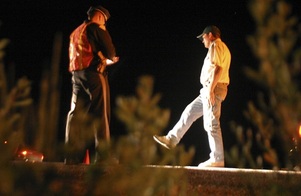
How standardized field sobriety tests are administered and scored.
The word “standardized” refers to trained instructions, demonstrations, timing, positioning, and defined observations. A reliable review compares what the protocol requires with what the recordings and reports show.
Originally published September 9, 2014 · Substantially updated September 6, 2026
Three tests, three sets of trained observations
NHTSA materials identify horizontal gaze nystagmus, walk-and-turn, and one-leg stand as the standardized battery. The table below is a roadmap—not a substitute for the officer’s training manual, video, notes, or testimony.
| Test | Format | Trained observations | Review questions |
|---|---|---|---|
| Horizontal gaze nystagmus | Eye-tracking test | Six potential clues, three for each eye: smooth pursuit, nystagmus at maximum deviation, and onset before 45 degrees. | Was the stimulus positioned and moved correctly? Were timing, equal tracking, pupil size, resting nystagmus, and medical considerations addressed? |
| Walk-and-turn | Divided-attention walking exercise | Eight potential clues relating to balance during instructions, starting early, stopping, heel-to-toe contact, line position, arms, turn, and number of steps. | Was there a suitable line and surface? Were nine steps, the turn, and return demonstrated? Did the report match the video? |
| One-leg stand | Timed balance and divided-attention exercise | Four potential clues: swaying, using arms, hopping, and putting the foot down. | Were the stance and count demonstrated? How long did the exercise actually run? Were physical limitations or unsafe conditions considered? |
The official NHTSA 2023 SFST Instructor Guide provides the training context for administration, demonstration, and documentation.
“Clue” is not the same as guilt
A trained clue is an observation within a test protocol. It is not a statutory element, laboratory result, or judicial finding. The prosecution still must prove the charged offense with admissible evidence. North Carolina’s impaired-driving law appears in G.S. § 20-138.1.
Standardization creates specific review points
Medical questions, footwear, location, surface, lighting, traffic, weather, language, and whether the subject could safely attempt the task.
The words used, sequence, demonstration, confirmation of understanding, and any change or interruption before the person began.
Stimulus distance and pace for HGN; instruction stance, walking line, turn, raised foot, count, and duration for the physical exercises.
What appears on body-camera or dash-camera video, what the officer wrote, when notes were made, and whether the descriptions remain consistent.
Standardized and non-standardized exercises should be separated
Officers may request other tasks, such as reciting part of the alphabet, counting, or finger exercises. Those are not part of the three-test NHTSA standardized battery. A clear legal review identifies which protocol applies to each observation instead of treating every roadside request as interchangeable.
Field sobriety tests are also distinct from portable breath screening and later chemical analysis. The legal questions surrounding a roadside screening device, an Intox EC/IR II result, a blood draw, or a refusal are different from the questions surrounding physical coordination exercises.
How a defense review is built
Useful materials may include the citation, charging documents, officer narrative, field notes, body-camera and dash-camera recordings, dispatch records, chemical-test records, maintenance or instrument documents, medical information, photographs of the location, and witness accounts. Deadlines may apply to license and court issues, so the record should be preserved promptly.
Read the broader North Carolina field sobriety testing guide, explore the Traffic & DWI Resource Center, or learn about Attorney Christopher Adkins.
Related Adkins Law resources
Discuss the evidence
Contact the Huntersville office about a North Carolina DWI or traffic matter.
This article provides general North Carolina legal information, not legal advice for a particular case. Procedures, law, science, and facts can change the analysis.
Share This Story, Choose Your Platform!
Disclaimer: This website provides general information and discussion about legal topics. The content is not legal advice and should not be relied upon as such. Always seek the advice of a licensed attorney for legal matters.