

Four Practical Steps After a DWI Charge in North Carolina
North Carolina DWI Guide
Four practical steps after a DWI charge
A DWI investigation can move quickly. The safest general guidance is to protect people first, understand the difference between roadside procedures and implied-consent testing, preserve records, and get advice tied to the actual charge.
Originally published September 9, 2014. Substantially updated September 6, 2026. This page now distinguishes voluntary roadside exercises, roadside alcohol screening, and the post-charge implied-consent chemical analysis required by current law.
North Carolina defines impaired driving by statute. An officer and prosecutor may rely on observed driving, statements, physical signs, roadside exercises, chemical analysis, and other circumstances. A person does not have to reach a particular alcohol concentration for the State to pursue an appreciable-impairment theory, and drug-related impairment can also support a charge. The details matter, so general internet advice cannot replace a review of the stop, testing, reports, video, and driving record.
Make the safe decision before driving
The best way to avoid a DWI case is not to drive when alcohol, medication, cannabis, or another impairing substance may affect judgment or coordination. Arrange a sober driver, rideshare, taxi, or overnight stay. Alcohol concentration can continue to rise after the last drink, and “feeling fine” is not a reliable measurement.
Be calm, provide required identifying documents, and avoid guessing
During a stop, keep hands visible and follow lawful safety instructions. A driver ordinarily must provide a license and registration. Questions about drinking, timing, or consumption can become evidence. Do not lie or invent an answer. A person may respectfully say that they do not wish to answer investigative questions and may request legal counsel. The scope of any right and the consequences of choices can depend on the stage of the investigation.
Understand that roadside procedures are not all the same
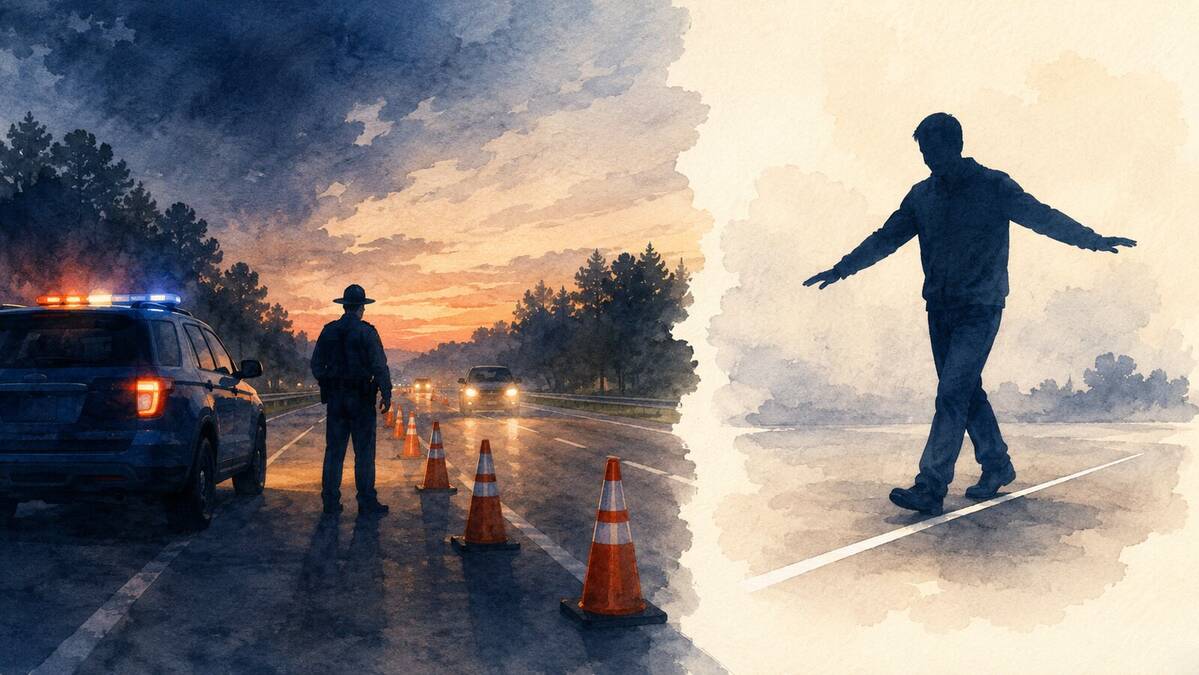
Standardized field sobriety tests—horizontal gaze nystagmus, walk-and-turn, and one-leg stand—are divided-attention exercises used to help assess impairment. A portable roadside alcohol-screening test is governed by G.S. 20-16.3. These are different from the chemical analysis requested after a person is charged with an implied-consent offense.
North Carolina’s implied-consent statute requires specific rights warnings. A willful refusal can cause a one-year license revocation, potentially longer in some circumstances; refusal evidence may be admissible, and an officer may seek another lawful basis to compel testing. A person should not treat a generic blog instruction as a substitute for understanding those immediate, case-specific consequences.
Preserve information and address deadlines promptly
After release, write down the route, time, weather, traffic, statements, medications, food, sleep, physical limitations, witnesses, and testing sequence while memories are fresh. Preserve receipts, location history, photographs, communications, and any video. Do not edit or delete potentially relevant records.
A DWI charge can involve both the criminal case and a separate civil license revocation under G.S. 20-16.5. Court dates, privilege eligibility, DMV hearings, and preservation requests may have different timelines. Review the paperwork and seek individualized advice promptly.
Roadside testing compared with chemical analysis
Roadside investigation
- Driving observations and conversation
- Standardized or non-standardized coordination exercises
- Portable alcohol-screening device
- Used in probable-cause assessment
Implied-consent chemical analysis
- Requested after charging with an implied-consent offense
- Specific statutory rights notice
- Breath, blood, or another authorized sample
- Refusal can create separate license consequences
Explore the DWI resource center
Discuss the facts of your case
Adkins Law represents clients in Huntersville, Mecklenburg County, and the Lake Norman region. A consultation can focus on the stop, probable cause, testing, license status, deadlines, and available options. No result can be promised.
Official sources
- G.S. 20-138.1 — Impaired Driving
- G.S. 20-16.2 — Implied Consent
- G.S. 20-16.3 — Alcohol Screening Tests
- NHTSA — 2023 SFST Instructor Guide
This article provides general North Carolina legal information and is not legal advice. Laws and procedures change, and outcomes depend on individual facts. Reading this page does not create an attorney-client relationship.
Share This Story, Choose Your Platform!
Disclaimer: This website provides general information and discussion about legal topics. The content is not legal advice and should not be relied upon as such. Always seek the advice of a licensed attorney for legal matters.