

Boating While Impaired on Lake Norman: North Carolina Law
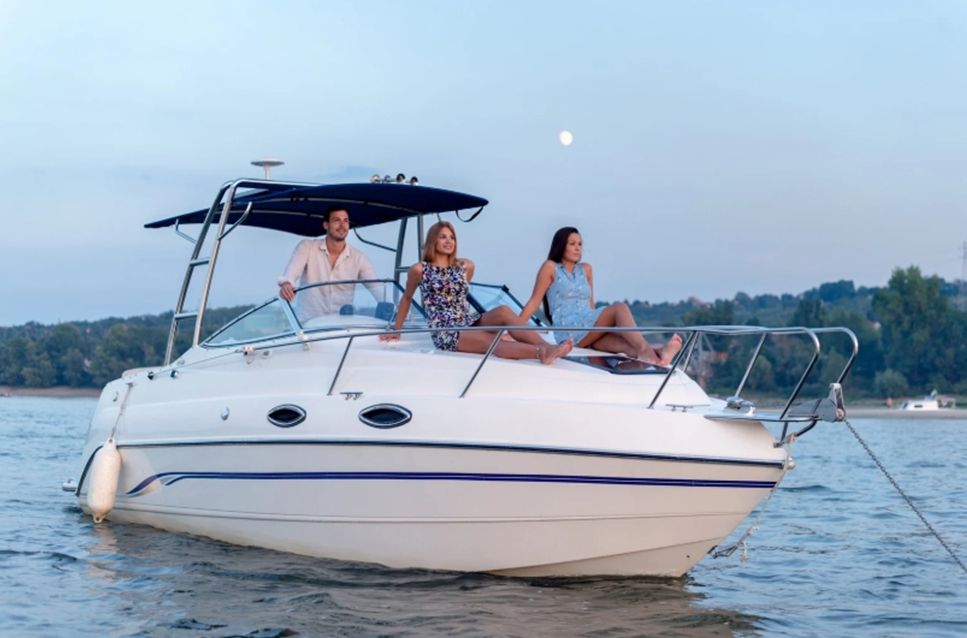
Boating while impaired on Lake Norman.
North Carolina’s impaired-boating law applies beyond motorboats. It can reach vessels underway, water skis, surfboards, and similar devices—and the evidence and consequences differ from a roadway DWI.
Originally published September 9, 2014 · Substantially updated September 6, 2026
What North Carolina law prohibits
Under G.S. § 75A-10(b1), a person may not operate a vessel while underway on North Carolina waters while under the influence of an impairing substance or after consuming enough alcohol to have an alcohol concentration of 0.08 or more at a relevant time after boating.
Subsection (b) separately prohibits manipulating water skis, a surfboard, a nonmotorized vessel, or a similar device while under the influence of an impairing substance. A lawful entitlement to use alcohol or a drug is not itself a defense.
How an impaired-boating investigation can develop
Who was actually operating? Was the vessel underway? What do registration, passenger statements, officer observations, video, GPS, and control of the helm show?
Wake, steering, speed, docking, navigation lights, safety equipment, balance, speech, odor, statements, and conditions on the lake may be documented.
Officers may request coordination exercises, breath testing, or other evidence. Consent, warrant, admissibility, and procedure must be evaluated under the facts and the authority actually used.
Sun, heat, wind, waves, fatigue, dehydration, boat movement, footwear, injuries, and the timing of consumption can affect observations and deserve careful documentation.
Impaired boating is not simply a roadway DWI on water
The governing statute, charging language, license consequences, investigative setting, and proof questions are not identical. A motor-vehicle DWI analysis should not be copied over without checking the boating provisions and the specific legal basis for any stop, boarding, detention, test, consent, or search.
At the same time, a boating case can involve overlapping issues: a roadway stop after leaving the marina, an accident investigation, injuries, property damage, underage alcohol allegations, or separate safety offenses. Preserve every citation, release paper, test record, photograph, video, and witness name.
What to do after a Lake Norman citation
- Write a private timeline while details are fresh, including who operated, when the vessel moved, and what was consumed.
- Preserve GPS, navigation-app, marina, rental, receipt, photograph, and message records.
- Identify passengers and other witnesses; record contact information rather than coordinating accounts.
- Do not post the incident on social media or delete potentially relevant material.
- Check every court date and deadline on the charging documents.
- Seek advice promptly, especially when an accident, injury, chemical testing, or a second charge is involved.
Learn about Attorney Christopher Adkins and the Adkins Law team’s work in criminal, traffic, and DWI matters in Huntersville and the Lake Norman region.
Related legal resources
Discuss a Lake Norman boating charge
Contact the Huntersville office and keep the citation and release paperwork available.
This article provides general North Carolina legal information, not legal advice for a particular case. Laws, procedures, and facts can change the analysis.
Share This Story, Choose Your Platform!
Disclaimer: This website provides general information and discussion about legal topics. The content is not legal advice and should not be relied upon as such. Always seek the advice of a licensed attorney for legal matters.