

Guide to Uninsured Motorist Insurance
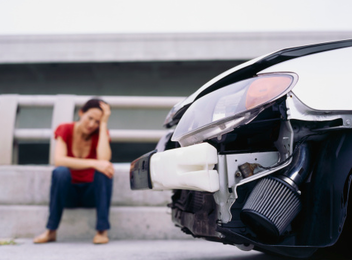
All states require drivers to buy automobile insurance, but the reality is that, whether out of ignorance, inability, or unwillingness, many drivers ignore this requirement. If you get into an accident with such a driver and you do not have uninsured motorist coverage, you may find yourself needing to take the uninsured driver to court in order to recover damages. Seeing as how that driver could not afford insurance in the first place, it seems unlikely that you will recover anything from them. For this reason, it is prudent to purchase uninsured motorist coverage where you have the option to do so. In a handful of states, it is required.
How it Works
Most uninsured motorist laws give coverage for all sums the owner would be legally entitled to recover if the uninsured motorist was insured, but the specifics involving just what the motorist would have been entitled to recover differ state by state.
- Payments made under uninsured motorist coverage always include medical expenses, but depending on the state they may also include damages for pain and suffering, lost income, and in some cases even punitive damages, which are meant to punish motorists whose behavior was especially egregious.
- It is of great important to remember that uninsured motorist coverage only pays out if the uninsured motorist was at fault for the accident. If you are purely at fault for an accident involving an uninsured motorist, it will not help you pay your bills. This makes uninsured motorist insurance less useful in no-fault states.
- In order to recover under an uninsured motorist policy, the uninsured vehicle must be a significant cause of the victim’s injury. If, for example, the victim is harmed after he crashes into an uninsured vehicle parked on the street, there can be no recovery.
- Be aware that even though many states require that motorists have uninsured motorist coverage, rental car companies generally do not have to offer such coverage through their insurance. Consider this when deciding whether to rent a car.
Definition of Uninsured Vehicle
Definitions of an uninsured vehicle change slightly from state to state, but most define it as a driver who did not have any insurance, had insurance that did not meet state-mandated minimum liability requirements, or whose insurance company denied their claim or was not financially able to pay it. Most laws also specify that uninsured vehicles include:
- Vehicles used in hit-and-run accidents where the identity of the driver is unknown.
- Stolen vehicles.
Coverage of Persons
It is very important that the person claiming benefits under an uninsured motorist policy fall within the policy’s definition of an “insured.” Those covered differ from policy to policy and it is vital that you understand who is covered before making a purchase. People commonly covered include:
- The person named on the policy as the insurance holder. This is the insured.
- The insured’s immediate family members.
- Authorized occupants of the vehicle.
- Persons related to the insured that may not have been in the vehicle at the time of the accident with an uninsured vehicle but nonetheless suffered an injury from it.
Underinsured Motorist Insurance
You can also purchase insurance that protects you from underinsured drivers in addition to uninsured ones. An underinsured driver is someone who met minimum legal financial responsibility requirements but did not have payment limits high enough to cover the damage they caused. Underinsured motorist protection pays you for damages that exceed the payment limits carried by a driver who is considered underinsured.
Share This Story, Choose Your Platform!
Disclaimer: This website provides general information and discussion about legal topics. The content is not legal advice and should not be relied upon as such. Always seek the advice of a licensed attorney for legal matters.