

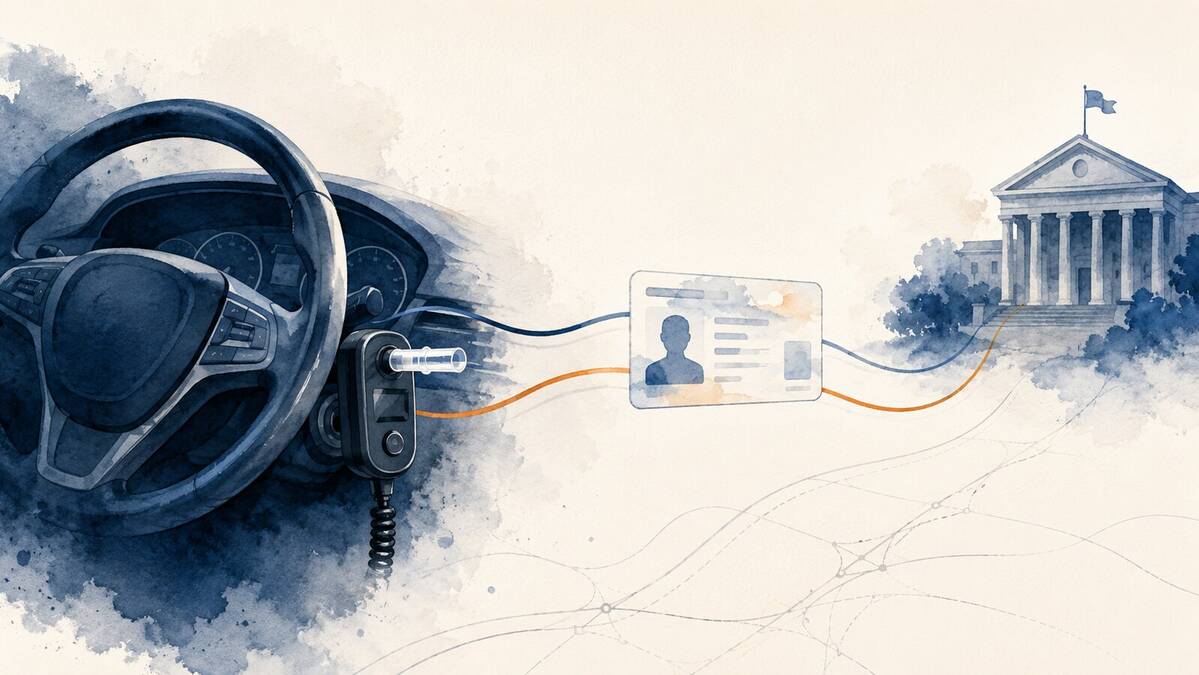
DWI vehicle seizure and forfeiture in North Carolina
When a vehicle can be seized, what owners and lienholders can do, and why towing and storage deadlines deserve immediate attention.
When a DWI-charged vehicle is subject to seizure
Under G.S. 20-28.3, a vehicle driven by a person charged with an impaired-driving offense is subject to seizure when, at the time of the alleged violation, the driver’s license was revoked because of a prior impaired-driving revocation. Seizure can also apply when the driver had no valid license and was not covered by an automobile liability policy.
The seizure proceeding is related to—but distinct from—the criminal charge. Ownership, permission, prior knowledge, lien rights, towing costs and the driver’s license status may require separate filings and hearings.
Act quickly if you own or financed the vehicle
Owners and lienholders should obtain the seizure and impoundment paperwork, confirm title and registration, preserve insurance and license records, identify the storage contractor, and calendar every hearing or petition deadline. Release generally requires payment of towing and storage charges; some release routes also require a bond and written acknowledgment.
Innocent-owner protection is specific
G.S. 20-28.2 defines an innocent owner. The analysis may turn on whether the owner knew or had reason to know of the driver’s revocation or lack of license and insurance, whether permission was given, whether unauthorized use was promptly reported, and whether prior acknowledgments exist.
Frequently asked questions
Is every vehicle seized after a DWI arrest?
No. The additional license-revocation or no-license-and-no-insurance conditions in G.S. 20-28.3 must be present.
Can an innocent owner get the vehicle back before trial?
Potentially. A nondefendant owner may petition for an innocent-owner determination and release subject to statutory conditions and costs.
What happens to personal property in the vehicle?
The storage entity may permit retrieval of personal property not affixed to the vehicle upon satisfactory proof of ownership.
Official sources and further reading
Continue through the DWI and traffic resource center
 DWI / DUI informationTesting, charging, court, license, and defense issues after a North Carolina DWI arrest.Explore the guide →
 Limited driving privilegesEligibility, timing, documentation, and restrictions that may apply after a license suspension.Explore the guide →
 Chemical-test refusalsWhat an alleged refusal can mean for driving privileges, hearings, and the criminal case.Explore the guide →
 Insurance points and speedingUnderstand court outcomes, license points, insurance consequences, and current North Carolina rules.Explore the guide →Ignition interlock requirementsLearn when interlock rules may apply and how they interact with restoration and limited privileges.Explore the guide →
 Knoll motionsReview issues involving pretrial release, access to witnesses, and potentially prejudicial delay.Explore the guide →